
After a run of successful years building the public and policymaker awareness of chronic pain, consumer advocacy group Chronic Pain Australia was ready to ramp up the pressure on government to recognise and adequately resource chronic pain management by making pain a national health priority.
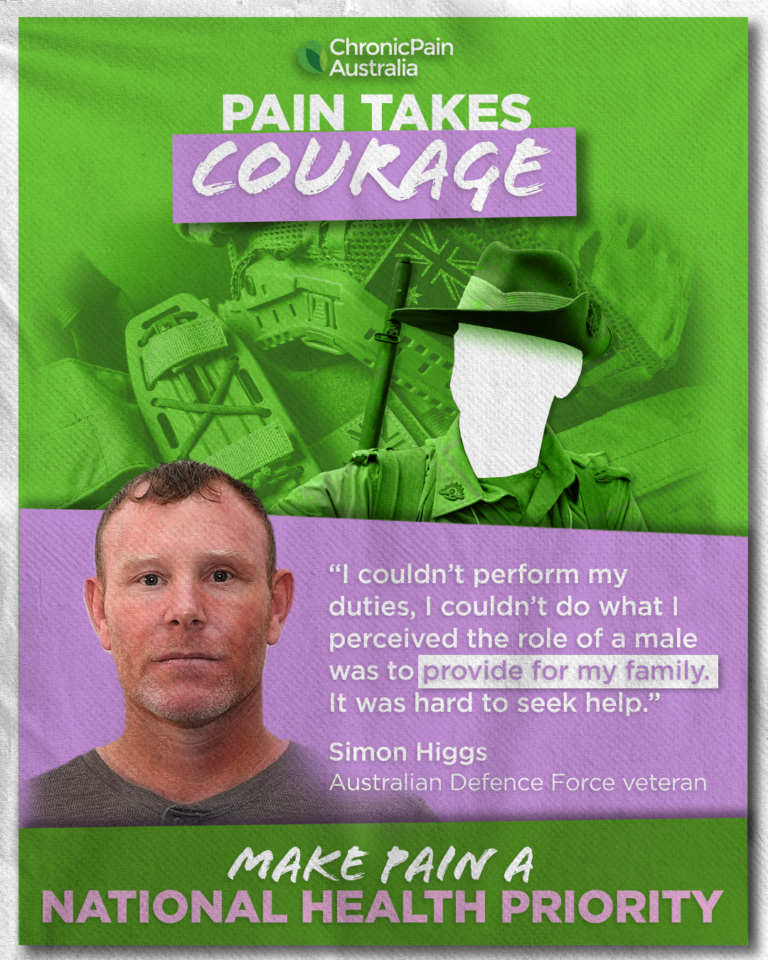
These videos and social media tiles ran across social media to coincide with National Pain Week.
Following the cadence established across many years of fruitful collaboration, Chronic Pain Australia engaged Agenda C to advise on the questions in the National Pain Survey, design a campaign to promote the survey to people living with chronic pain and their carers, analyse the results of the National Pain Survey, and write and design a report which would be useful and informative for both policy makers and the media.
Based on the insights from the 2025 National Pain Report, Agenda C then developed a campaign strategy to take the call to make pain a national health priority to Canberra. In 2025, Agenda C worked with Chronic Pain Australia to deliver a Parliamentary Friends of Pain Management event at Australian Parliament House during National Pain Week.
Creating a rigorous National Pain Survey
In the National Pain Survey preparation phase, Chronic Pain Australia asked Agenda C to co-design survey questions with the university partner and provide input on how they could be formulated to obtain data which was as robust and useful as possible for policy makers and as clear and compelling as possible for our media campaign. The primary objective in this phase was to generate a knowledge base which would inform responses to chronic pain, with media outreach being a secondary consideration.
This survey questions were then submitted for ethics approval by the university partner, before being coded into their survey system.
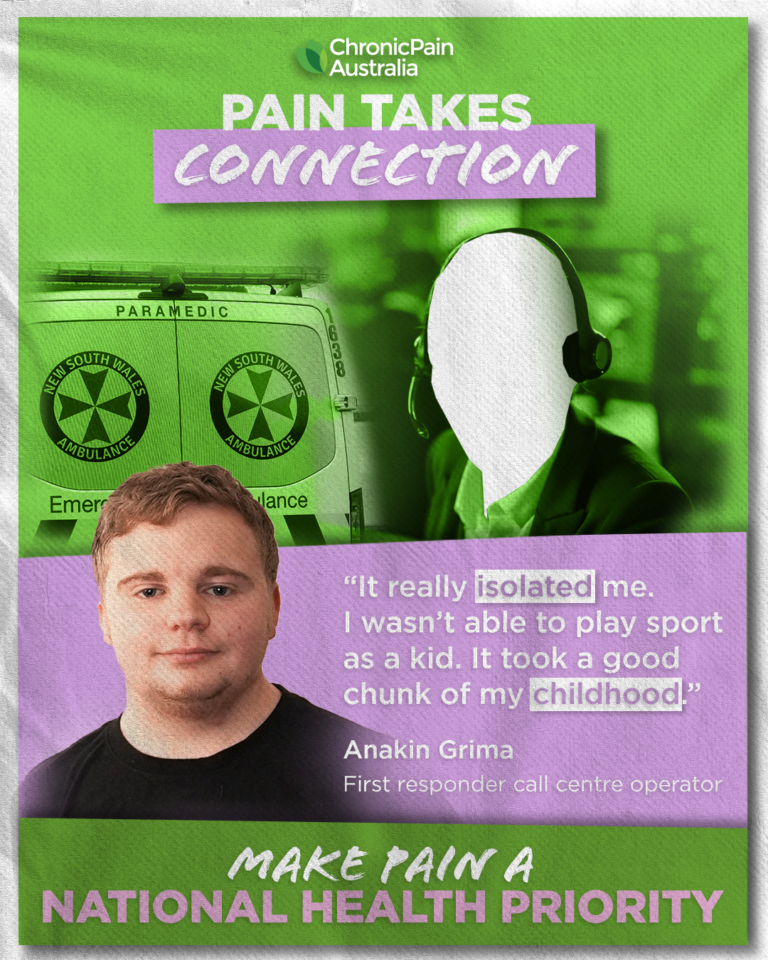
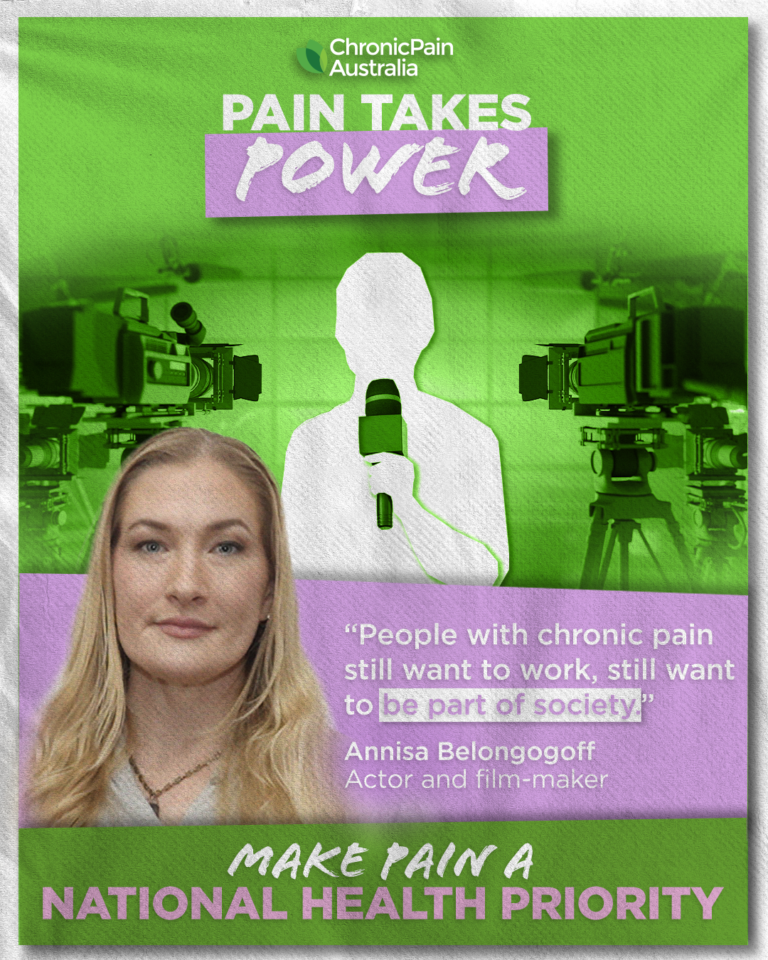
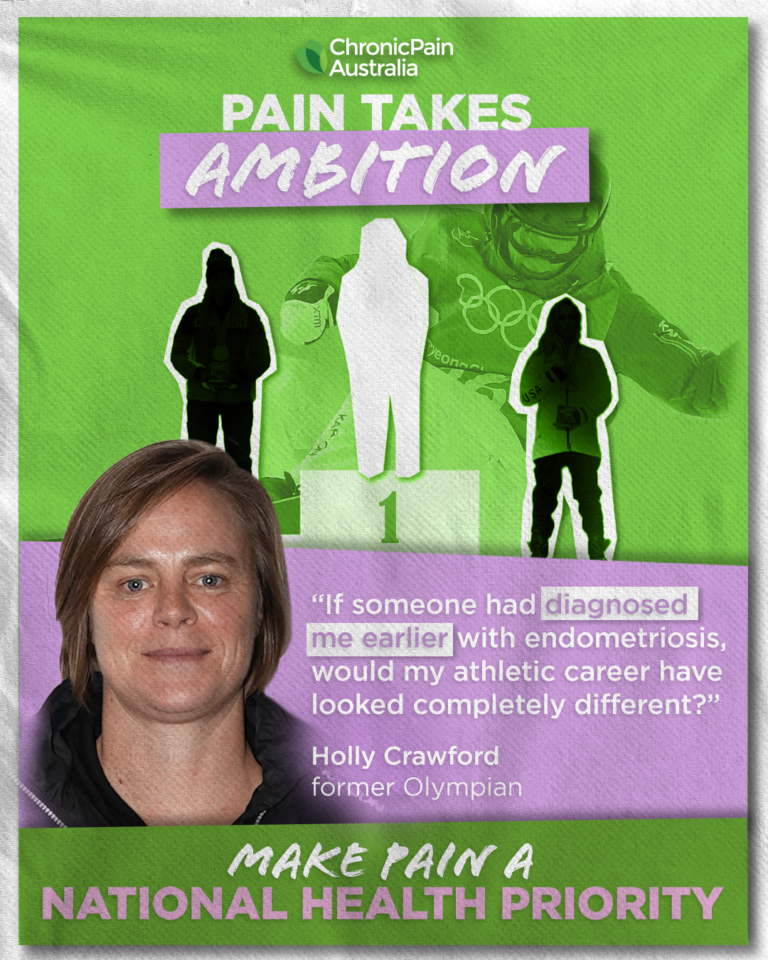
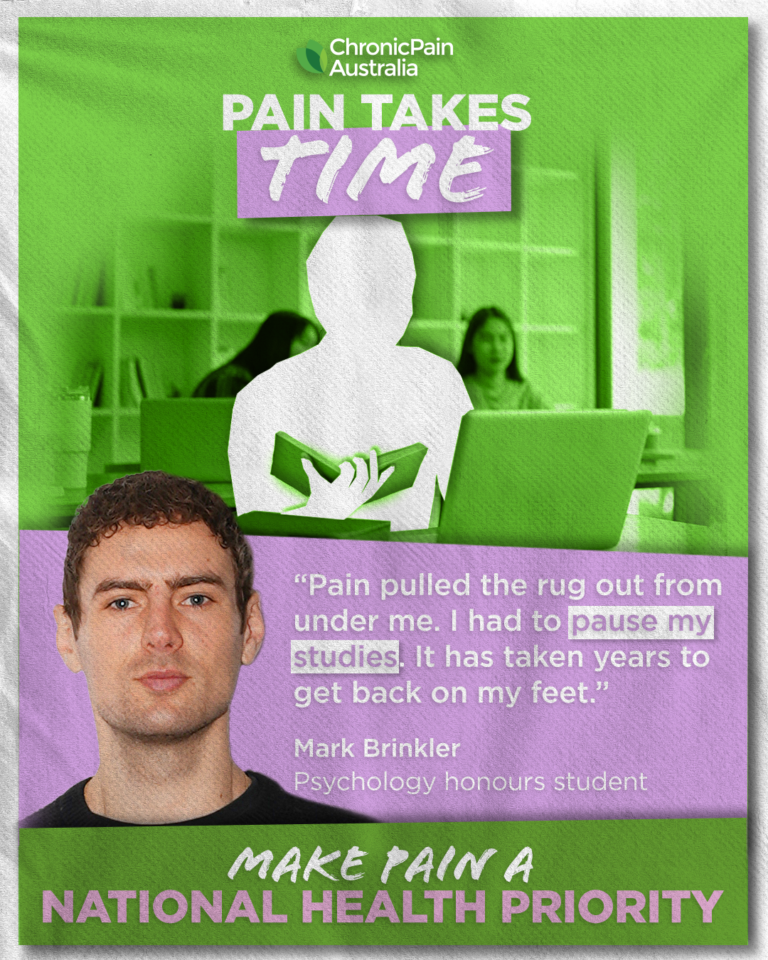
In 2025, the National Pain Survey received nearly 5000 responses, an increase of nearly 20 per cent from the previous year.
Analysing survey data and writing the National Pain Report
As in previous years, Agenda C received the raw data from Chronic Pain Australia’s university research partner and conducted deep analysis to uncover the insights from this survey, comparing them to the findings in previous years to identify trends and changes.
On the basis of this analysis, Agenda C wrote a 74-page report bringing to life the experiences of people living with chronic pain. The report exposed the way that chronic pain affects more people than just those living with it, taking a toll on families, friends, workplaces, and the nation, when it remains unmanaged.
The report also zoomed in on particular groups, including young people, rural and regional respondents and the LGBTIQA+ community, taking a closer look at how intersectionality affects the experience of chronic pain.
The 2025 National Pain Week campaign strategy
The responses to the 2025 National Pain Survey revealed that chronic pain affects far more people than just the estimated 3.5 million people living with chronic pain. Agenda C developed a strategy which would reveal the extended impact on pain across society, making visible the way this invisible condition in one way or another affects us all. Connecting it with the big challenges faced by the nation also allowed us to build a burning platform for action by policy makers.
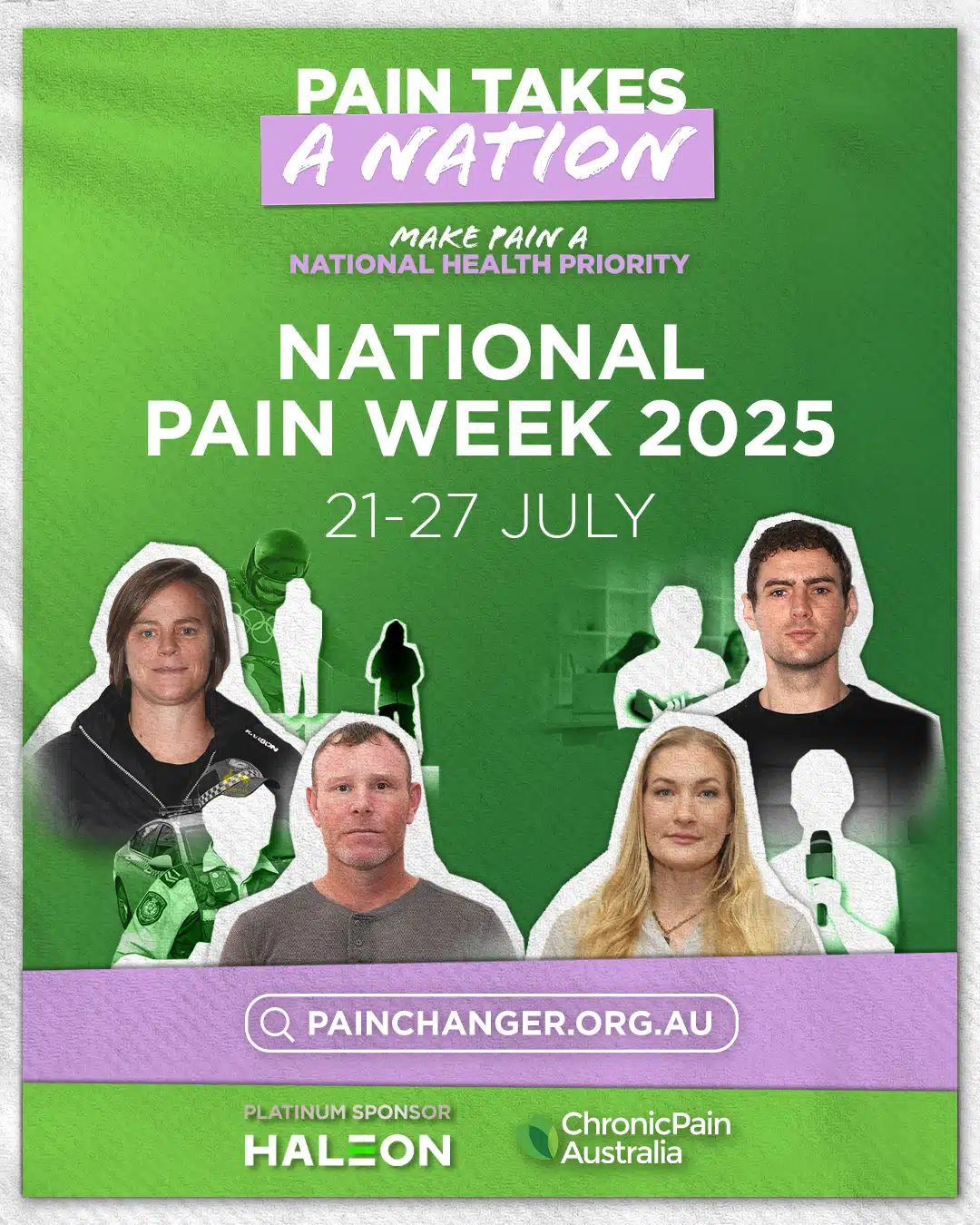
The tagline we created for the campaign was Pain Takes a Nation. Pain takes away from a nation. But it also takes a nation to tackle the challenge of pain.
The “Pain Takes” idea allowed us to show the very specific ways in which pain takes from society – as well as the qualities it takes to live with pain.
Our pain ambassadors told us their stories of what pain has taken from them and what it has taken for them to live with chronic pain.
Media campaign
The 2025 National Pain Report contained a number of shocking findings, not least of which was an increasing delay in diagnosing the condition. The report also found an alarming rise in suicidality among people living with chronic pain, with 49 per cent of young Australians living with chronic pain having considered taking their own lives.
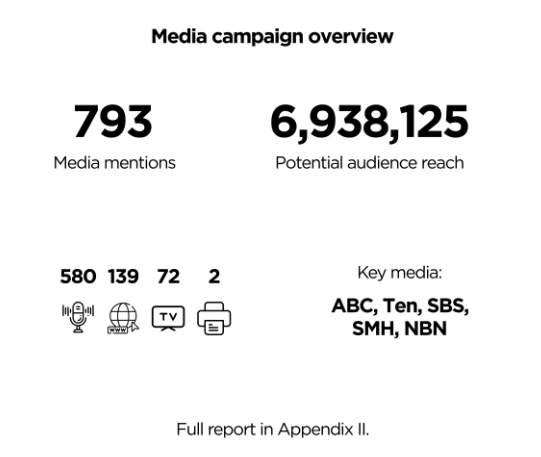
This, together with the fact that complex care is difficult to access and that the severe physical and mental health impacts of chronic pain are taking a toll on relationships and the ability of people living with the condition to contribute to their full potential in the workplace, formed the core of our media campaign which attracted almost 800 media mentions across metro and rural outlets.
Social media, newsletter engagement, and webinars
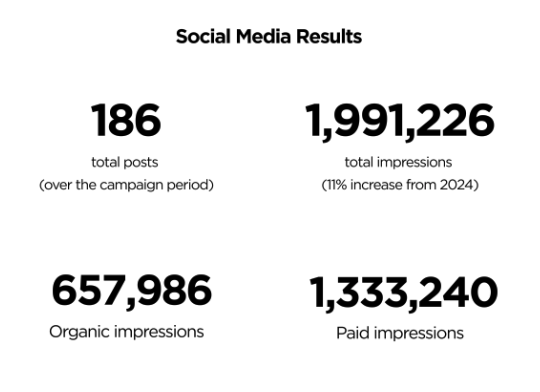
During National Pain Week, Agenda C engaged audiences and raised awareness through a paid and organic social media campaign, regular email updates to members, and webinars to discuss managing chronic pain.
Political engagement
Agenda C organised and managed a Parliamentary Friends of Pain Management event during National Pain Week. The event, held at Australian Parliament House, brought together the pain sector and chronic pain ambassadors with parliamentarians.
Visual storytelling played an essential role in tackling our awareness challenge. From a striking media wall and high-impact visuals to life-sized ambassador cut-outs and advocacy lapel pins, our efforts created a strong visual presence across Parliament House. These visual cues, worn and seen during Question Time and beyond, served as ongoing reminders of our message and the people behind it.
During the event, the current Assistant Minister for Women, Assistant Minister for Indigenous Health, Assistant Minister for Health and Aged Care, The Hon Rebecca White MP, acknowledged chronic pain as a national health priority by opening National Pain Week 2025, as well as delivering the opening address for the Parliamentary Friends Event.
The results
Ahead of the election, the prime minister declared that there would be no change to the school funding system. The Greens, historically one of the loudest voices in favour of defunding Catholic schools, circulated a letter in which they declared there would be no change. The number of Australians who understand the school funding system has increased and the work continues to ensure that it is understood by all.