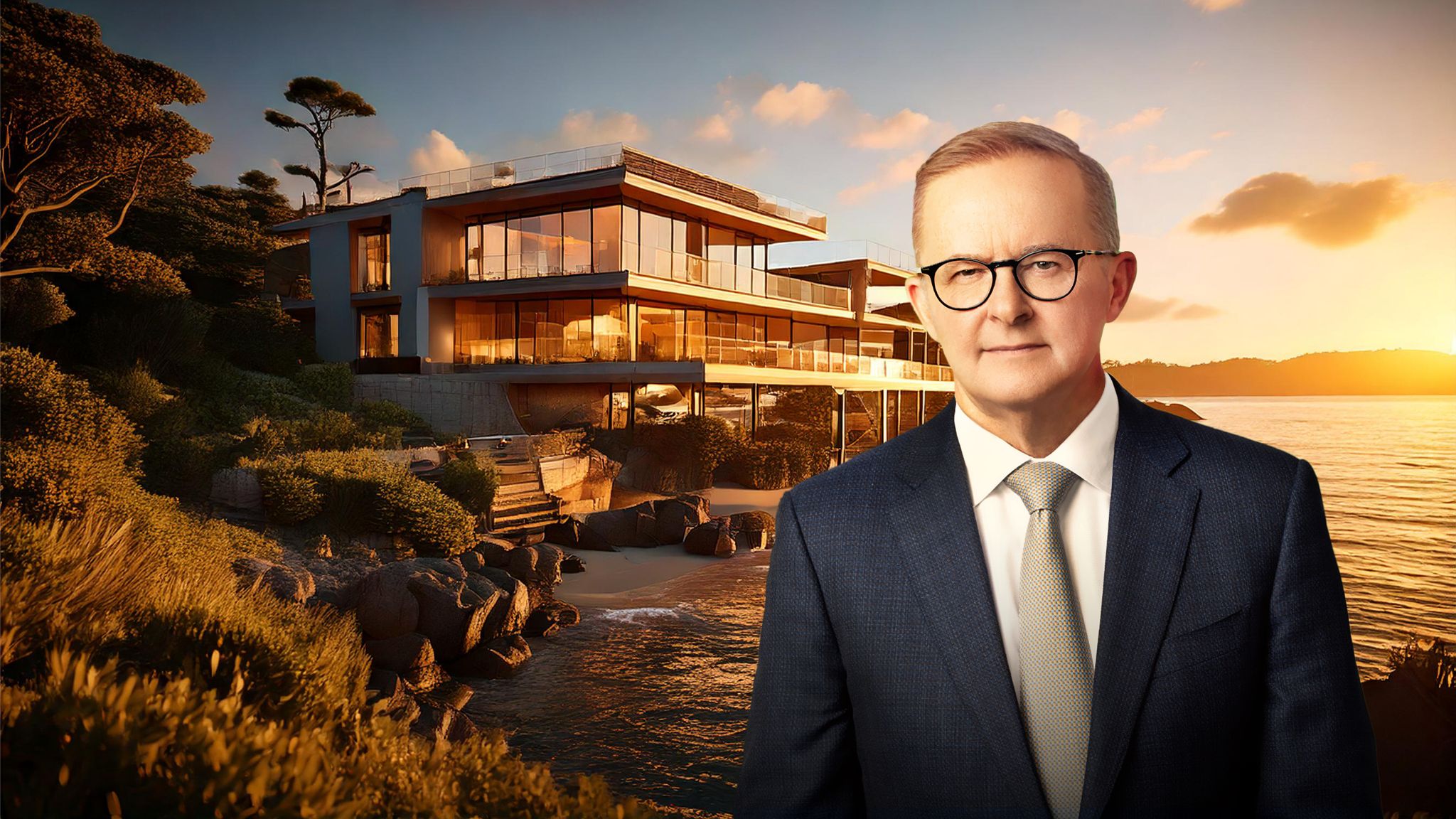
AI generated image
Forget traditional campaigning – the next election is a battleground of social media warriors and AI-powered deception
The debate surrounding a potential TikTok ban continues with the federal election looming. However, with a significant portion of under-30s consuming news through the platform, major parties may be unable to ignore TikTok’s reach.
As I argued in a previous Sydney Morning Herald article, political parties must adapt their campaigns to younger demographics. This is especially true for the Liberals, who urgently need to connect with younger women, and Labor, who need to engage younger men. The data is clear: men are increasingly migrating to TikTok, leaving Instagram as the preferred platform for younger women and LGBTQIA+ people.
AI enters the political arena, blurring the lines of truth.
This election could witness a social media showdown unlike any other, fuelled by the emergence of AI-generated deepfakes and AI video content, AI memes, and AI trolls. The lack of regulation on online misinformation creates a breeding ground for political parties and their affiliates to spread fabricated stories about their opponents. Imagine deep fakes deceiving vulnerable audiences of a disastrous political future under a particular leader. Or AI-generated videos planting ideas that the cost of living is worse under one political party to manipulate economic anxieties or another deepfake policy scare campaign using Chat GPT Video to encourage you to vote the other way.
We have already seen the use of unauthorised digital replicas by politicians to support their cause in the US. Former President Donald Trump reposted a fake image of Taylor Swift falsely endorsing his appointment in the next federal election to appeal to an audience that his party often does not reach – young women.
A couple of months ago, a very lifelike video of President Biden was posted. In it, the President was seen sitting at his desk in the Oval Office telling Americans he was resigning and to go “F yourself”. How could you know it wasn’t the real President Biden? Well, there’s a low likelihood of a President making and sharing a video of this type. Also, his lips were not in sync with the audio. There were also countless fact-check articles about the video, but they would have come too late for many.
Encouraging AI literacy by teaching social media users the signs of AI-created videos is becoming vital, especially with the upcoming election. Political leaders must address AI-driven misinformation and raise awareness of the telltale signs of an AI-generated video. Premier of South Australia Peter Malinauskas has taken the initiative to raise awareness of the dangers and harm that can be caused by AI-driven misinformation by speaking up about this issue at a press conference and cleverly using deep fakes to inform his social media audience:
@peter.malinauskasWe’ll introduce new laws to criminalise the creation and distribution of sexually explicit deepfakes. The inappropriate use of deepfakes is deeply concerning. I am also worried about the impact deepfakes can have on our democracy. We are committed to legislating to protecting South Australians from this emerging new risk.♬ original sound - Peter Malinauskas
Outside of politics, deepfake AI videos can be used for cat-fishing. This will present unique new challenges for lawmakers and authorities. In certain circumstances, that could be prosecuted as fraud, but in election campaigns, it’s merely misinformation.
Weaponising social media: The rise of the "TikTok warriors."
Political parties can't directly advertise on TikTok, but they might resort to building an army of "political warriors" – social media influencers who push an agenda and sow doubt through misinformation.
We've seen similar tactics before, recently with the Israel-Gaza conflict. It’s a technologically updated version of the scare campaigns dubbed "Mediscare" and ”Death Tax".
Stay tuned. Or perhaps better, keep scrolling.
The Teals are making themselves relevant to younger audiences on digital channels
The Teals are leading the charge on TikTok, with over 50,000 followers and over 2 million likes. Dr Monique Ryan MP of Kooyong has strongly connected with TikTok users on the cost of living crisis. Dr Monique Ryan MP posted a speech she delivered at a Senate estimates committee hearing into the big two supermarkets which reached nearly 3 million people.
@mon4kooyong Coles and Woolies must stop price gouging #auspol #costofliving ♬ original sound - Dr Monique Ryan MP
Some politicians are still reluctant to tap into TikTok given its Chinese owner, ByteDance. That comes at the cost of a connection with younger voters. The political parties’ main branded channels do a reasonable job with their fun content, but is it really enough to connect MPs with their local electorates? Challenger campaigns suggest that is unlikely.
This election presents a critical challenge: will genuine debate on policies shape voters' intentions at this election, or will they be swayed by manipulated, deep fake content that instils fear and distrust?
Young voters, particularly Gen Zs now aged between 18 and 27, are a large cohort that could decide the election. Politicians, you better Zoomer your content channels.
Still not sure? Here’s a deep fake AI of Albo during the 2023 Referendum debate
Australia
United Nations will own all land with the yes vote pic.twitter.com/sY55XoWlJK
— verica (@VDejan0000) October 3, 2023